

Home Renovation Services
Planning to update your home, improve its layout, or make better use of your existing space? A well planned home renovation can improve how your home looks, functions, and feels without requiring you to move to a new property.
What Does a Home Renovation Include?
A home renovation can cover a single room or the whole house. The right plan starts with knowing what needs to change and how the project will be managed.
Common work includes kitchens, bathrooms, basements, flooring, drywall installation, painting, room layout changes, ceilings, and custom carpentry. Define the scope before construction begins so the trades, materials, and permits are clear.
Planning Your Home Renovation
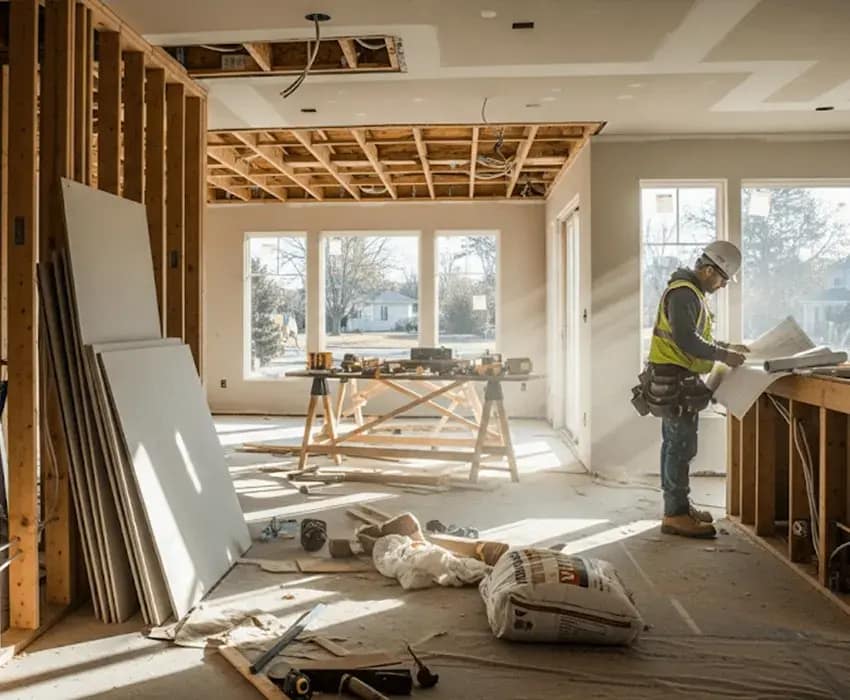
Good planning can make a major difference to the overall renovation experience. Before starting construction, consider what you want to change, why you want to make those changes, and what you want the finished space to accomplish.
Start by identifying your priorities. For example, a homeowner may want a more functional kitchen, additional living space, an updated bathroom, or a better layout throughout the house. Listing these priorities helps separate essential work from upgrades that can be completed later.
It is also important to consider the existing condition of the property. Older homes may require additional repairs once walls, ceilings, flooring, or other areas are opened during construction. Discussing the condition of the home with a qualified contractor can help identify potential issues before work begins.
A renovation plan should also consider the following.
- The project scope
- Desired materials and finishes
- Available budget
- Expected timeline
- Required trades
- Permit requirements
- Access to the work area
- How the home will be used during construction
How Much Does a Home Renovation Cost?
The cost of renovating a home depends on several factors, so there is no single price that applies to every project. The size and condition of the property, type of renovation, materials, labour, design changes, and project complexity can all affect the final cost.
A small update to one room will usually have different requirements from a full renovation involving several areas of the house.
When creating a renovation budget, consider more than just the visible finishes. Costs may also be associated with demolition, preparation, installation, repairs, electrical or plumbing work, permits, disposal, and finishing.
It is useful to discuss the project scope with your contractor before choosing materials or making final decisions. A detailed understanding of the work can make the budget easier to manage and reduce unexpected changes during construction.
How Long Does a Home Renovation Take?
The timeline depends on the size and complexity of the project. Renovating one room may take considerably less time than renovating several areas or changing the layout of an entire house.
The construction schedule can also be affected by material availability, inspections, design changes, site conditions, and the coordination of different trades.
Before work starts, ask your contractor for a realistic project schedule based on the planned scope. While timelines can change during construction, having a clear sequence of work gives homeowners a better understanding of what to expect.
Common Areas to Renovate
Kitchen Renovation
The kitchen is one of the most frequently renovated areas of a home. Renovation work can involve cabinets, countertops, flooring, lighting, walls, backsplashes, fixtures, and changes to the overall layout.
A kitchen renovation should consider both appearance and everyday use. Storage, work areas, appliance placement, lighting, and movement through the room all play an important role in the final design.
Bathroom Renovation
Bathroom renovations can range from updating finishes and fixtures to completely changing the layout. Depending on the project, work may include flooring, tile, shower or tub areas, vanities, lighting, plumbing fixtures, and wall finishes.
Because bathrooms involve plumbing and moisture, proper preparation and installation are important for long term performance.
Basement Renovation
A basement can provide additional living space without changing the home's footprint. Depending on the property and intended use, a basement renovation may create a family room, bedroom, home office, entertainment area, or other usable space.
Basement projects may also require attention to insulation, moisture protection, flooring, drywall, ceilings, electrical systems, and local building requirements.
Whole Home Renovation
A larger renovation may involve several rooms or most of the property. This can include updating the kitchen and bathrooms, replacing flooring, improving walls and ceilings, changing room layouts, and coordinating multiple construction trades.
For a project of this size, planning and coordination become especially important because work in one area can affect another part of the house.
Choosing a Home Renovation Contractor
Choosing the right contractor is an important part of any renovation project. Look for a contractor who can clearly explain the proposed scope of work, construction process, expected timeline, and responsibilities.
Before hiring a contractor, consider asking the following questions.
- What work is included in the project?
- Who will manage the different trades?
- What materials are included?
- How will changes to the project be handled?
- What permits may be required?
- How will the construction schedule be managed?
- What preparation is required before work starts?
It is also useful to review previous projects and make sure the contractor has experience with the type of renovation you are planning.
Clear communication from the beginning can help avoid misunderstandings later in the project.
Permits and Building Requirements
Some renovation projects may require permits or inspections depending on the work being completed and local requirements. Structural changes, plumbing, electrical work, additions, and changes to certain parts of a property may have specific requirements.
Permit requirements vary by location and project. Before construction begins, determine whether approvals are needed and who will be responsible for obtaining them.
A professional renovation contractor can help identify where permits may be involved and coordinate the appropriate work as part of the project.
How to Prepare for a Renovation
Preparing your home before construction begins can help the project run more smoothly. Remove personal belongings from the work area and protect items that need to remain in the house.
If you are staying in the property during construction, discuss access, working hours, dust control, temporary closures, and other practical considerations with your contractor.
For larger projects, you may need to make temporary arrangements for cooking, bathing, storage, or living space. Planning these details in advance can make the construction period easier to manage.
Frequently Asked Questions
The first step is to define what you want to change and establish the overall scope of work. From there, you can discuss the project with a qualified contractor, review the existing condition of the property, and begin planning the budget and timeline.
Start by identifying the areas you want to renovate and the level of work required. Consider labour, materials, demolition, preparation, permits, finishing, and other project requirements. A detailed project scope can make it easier to create a realistic budget.
It depends on the size and location of the work. Some smaller projects may allow you to remain in the house, while larger renovations can affect access to kitchens, bathrooms, bedrooms, or other essential areas. Discuss your living arrangements with the contractor before construction begins.
The potential value of a renovation depends on the property, local market, quality of the work, and buyer expectations. Improvements that make a home more functional and well maintained can be valuable, but homeowners should consider their own needs rather than renovating solely for resale.
Look for a contractor with relevant project experience, clear communication, and a detailed approach to scope, scheduling, and construction. Ask questions about the work, materials, permits, project management, and how changes will be handled before making a decision.
No. Permit requirements depend on the type and location of the work. Structural changes and certain electrical, plumbing, or building modifications may require permits. Check the requirements that apply to your specific project before construction begins.
Start Planning Your Renovation
A successful renovation starts with a clear understanding of what you want to improve and how the work will be completed. Whether you are updating one room or planning changes throughout your home, careful planning can help create a more functional and comfortable space. Discuss your renovation goals with the experienced team at Any & All Construction to understand the scope of work, project requirements, and next steps before construction begins.